
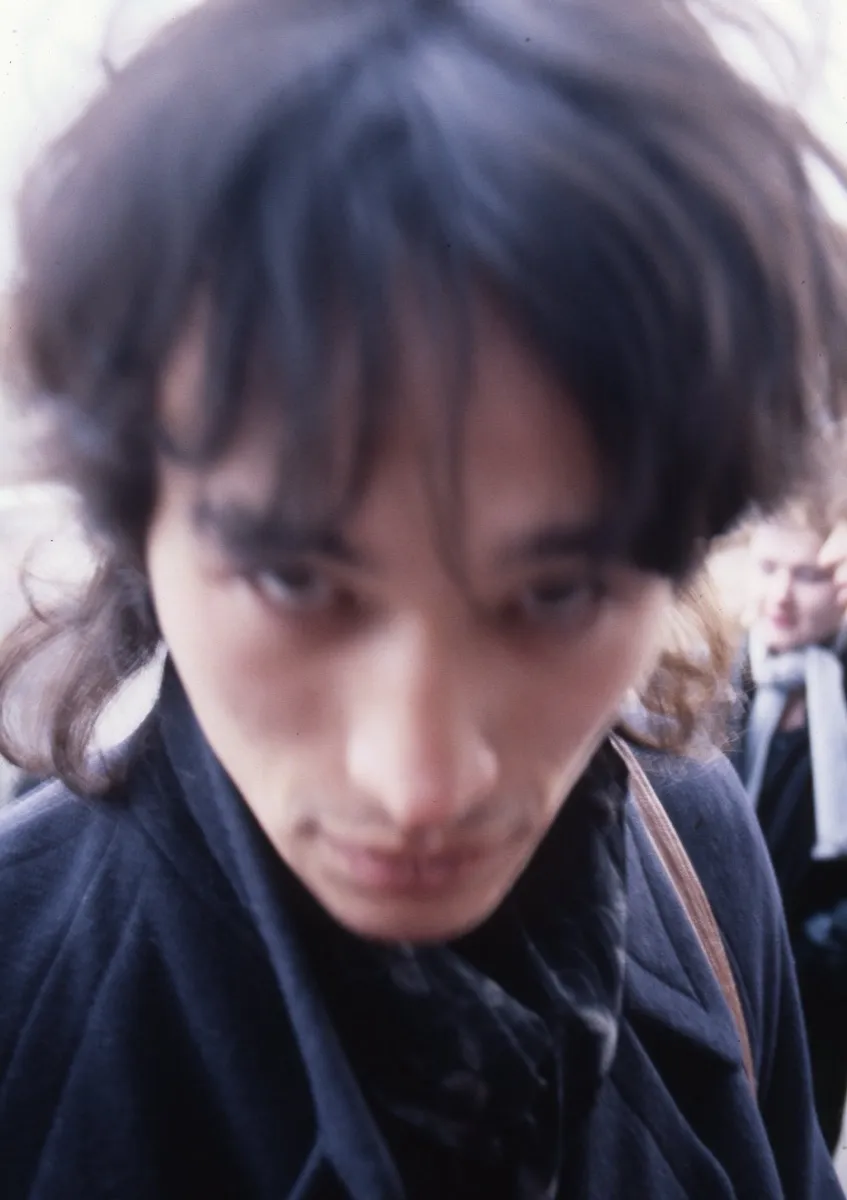
À propos de Kino
Kino (Кино) était un groupe de rock soviétique fondé à Leningrad en 1981, dirigé par l'auteur-compositeur Viktor Tsoï. Ils sont devenus le groupe de rock le plus influent de l'histoire soviétique.
Membres
La Formation classique (1986-1990)
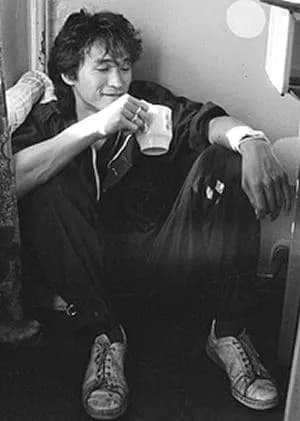
Виктор Цой
Viktor Tsoi
Chant, guitare rythmique, auteur-compositeurMembre fondateur
Chanteur-auteur de Kino et visage public du groupe. Son écriture mêlait poésie intime et tension sociale, devenant une icône de la jeunesse soviétique tardive.
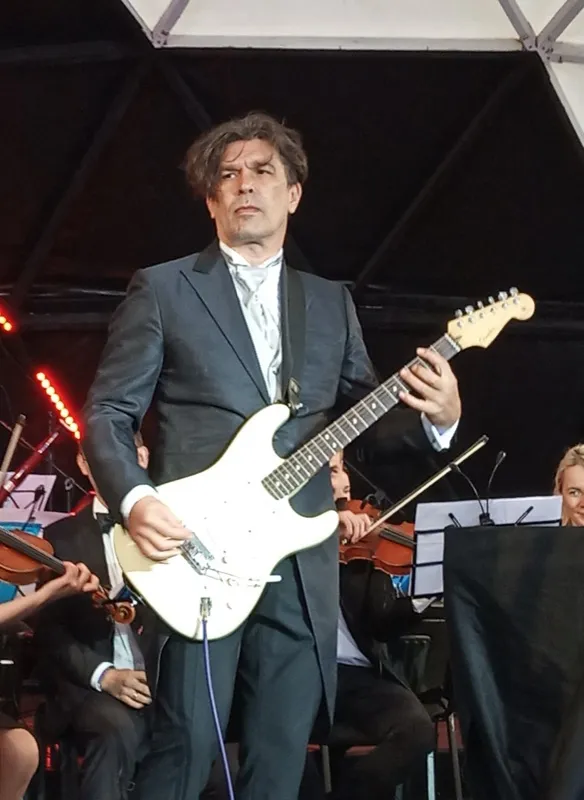
Юрий Каспарян
Yuri Kasparyan
Guitare solo
Sa guitare atmosphérique change Kino après 1983, projetant le groupe des chansons acoustiques vers le son post-punk scintillant qu’on associe aujourd’hui à ses meilleures années.
Георгий Гурьянов
Georgy Guryanov
Batterie
Artiste visuel et batteur dont le rythme précis et entraînant donna beaucoup de dynamisme au groupe à la fin des années 1980.
Игорь Тихомиров
Igor Tikhomirov
Basse
Rejoint en 1986 et ancre la formation classique avec des lignes de basse mélodiques qui donnent aux derniers albums un poids et un mouvement supplémentaires.
Anciens membres
Алексей Рыбин
Alexei Rybin
Guitare soloMembre fondateur
Co-fondateur et premier guitariste solo. Son départ a marqué la fin de la phase folk-rock initiale de Kino et ouvert la voie à un son plus texturé.
Олег Валинский
Oleg Valinsky
BatterieMembre fondateur
Batteur original lors de la première année du groupe. Il est parti tôt, mais a été présent au tout début de l'histoire de Kino.
Chronologie du groupe
Formation du groupe
Tsoi, Rybin et Valinsky forment Kino à Leningrad et commencent par des concerts en appartement.
Enregistrement du premier album « 45 »
Le groupe enregistre 45 avec un équipement domestique primitif, et les cassettes circulent par magnitizdat.
Kino rejoint le Leningrad Rock Club
L'adhésion offre au groupe un espace de répétition et une place semi-officielle dans la scène rock soviétique.
Kasparyan rejoint, Rybin part
Yuri Kasparyan remplace Aleksei Rybin et aide à réorienter Kino vers un post-punk atmosphérique.
Sortie de Nachalnik Kamchatki
Le deuxième album arrive avec un son plus électrique, et Guryanov ancre la section rythmique.
Sortie de Eto ne lyubov
Le groupe affine ses textures guitare et commence à sonner comme une force artistique majeure, pas seulement une curiosité underground.
Gorbatchev accède au pouvoir
La glasnost et la perestroïka commencent à assouplir les contrôles culturels et à créer plus d'espace pour le rock.
Sortie de Noch, Tikhomirov rejoint
Noch paraît et Igor Tikhomirov complète la formation classique à quatre.
Featured in film "Assa"
Kino performs in Sergei Solovyov's cult film Assa, which exposes the band to a massive Soviet audience beyond the underground scene. The film becomes a landmark of perestroika-era cinema.
"Igla" (The Needle) filmed
Tsoi stars in Rashid Nugmanov's film Igla (The Needle), playing a young man confronting the drug trade in Alma-Ata. The role cements his status as a cultural icon beyond music.
"Gruppa Krovi" becomes a nationwide phenomenon
The album Gruppa Krovi (Blood Type) breaks Kino into the Soviet mainstream. The title track, with its driving rhythm and defiant lyrics, becomes an anthem for a generation seeking change.
Historic Luzhniki Stadium concert
Kino performs at Luzhniki Stadium in Moscow before 62,000 fans, one of the largest rock concerts in Soviet history. The event marks rock music's move from underground apartments to national stadiums.
"Zvezda po imeni Solntse" released
Zvezda po imeni Solntse (A Star Called the Sun) becomes Kino's most commercially successful album. The title track's soaring melody and philosophical lyrics resonate across the crumbling Soviet Union.
Fall of the Berlin Wall
The Berlin Wall falls, symbolizing the end of the Iron Curtain. Tsoi's songs of yearning for change and individual freedom become anthems of liberation across Eastern Europe.
Recording sessions for the Black Album
Kino begins recording what will become their final album at Mosfilm Studios in Moscow. The sessions produce some of their most polished and emotionally resonant work.
Final concerts in Moscow
Kino performs their last concerts at the Luzhniki Sports Complex in Moscow. Nobody in the audience knows these will be the final shows.
Viktor Tsoi dies in car accident
On August 15, Viktor Tsoi dies in a car collision near Tukums, Latvia, at the age of 28. He falls asleep at the wheel returning from a fishing trip. The Soviet Union loses its most beloved rock voice.
"Chyorny Albom" released posthumously
The remaining members complete and release the Black Album (Chyorny Albom) from the studio recordings. It debuts at number one and becomes a monument to Tsoi's artistry.
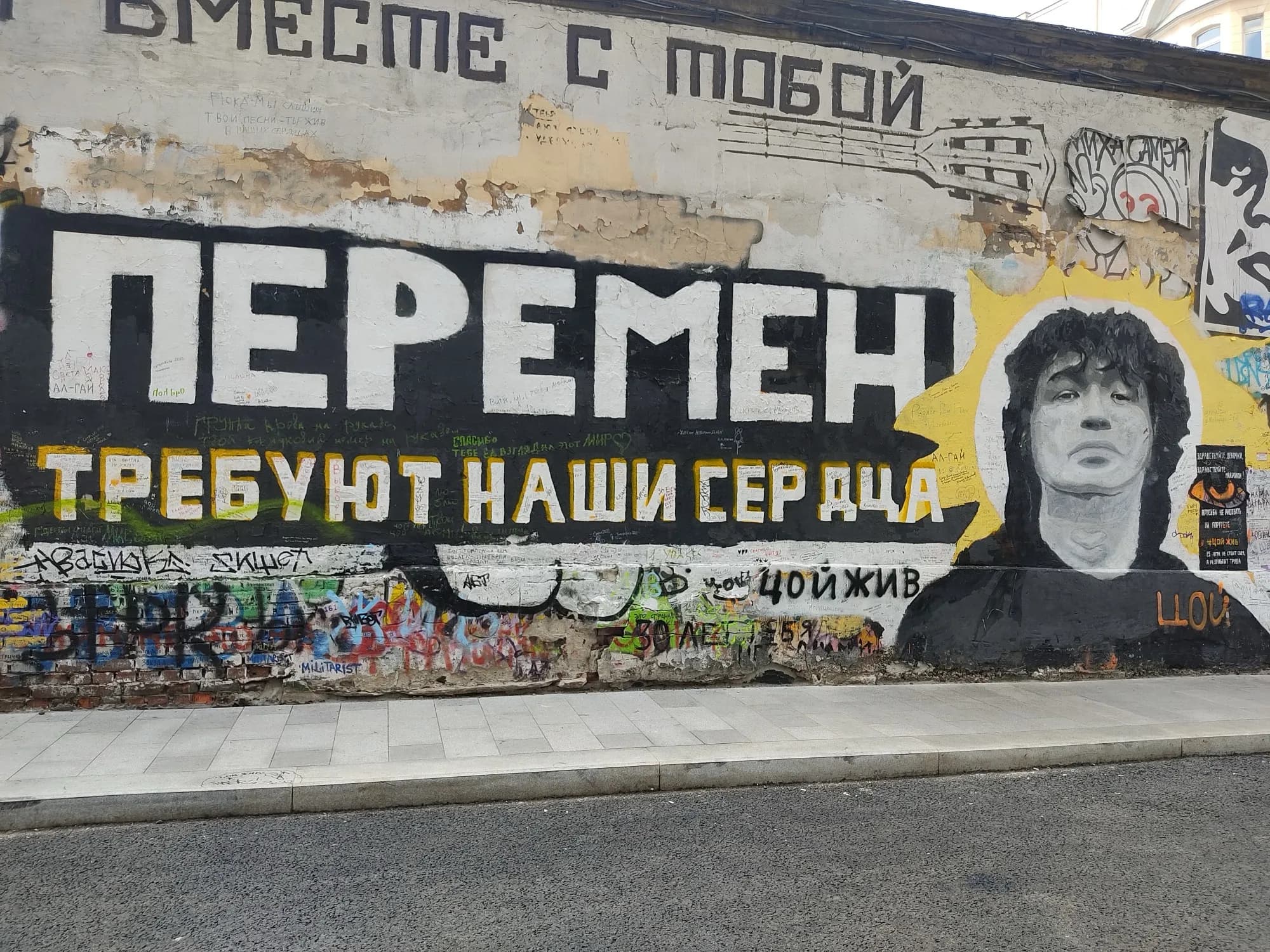
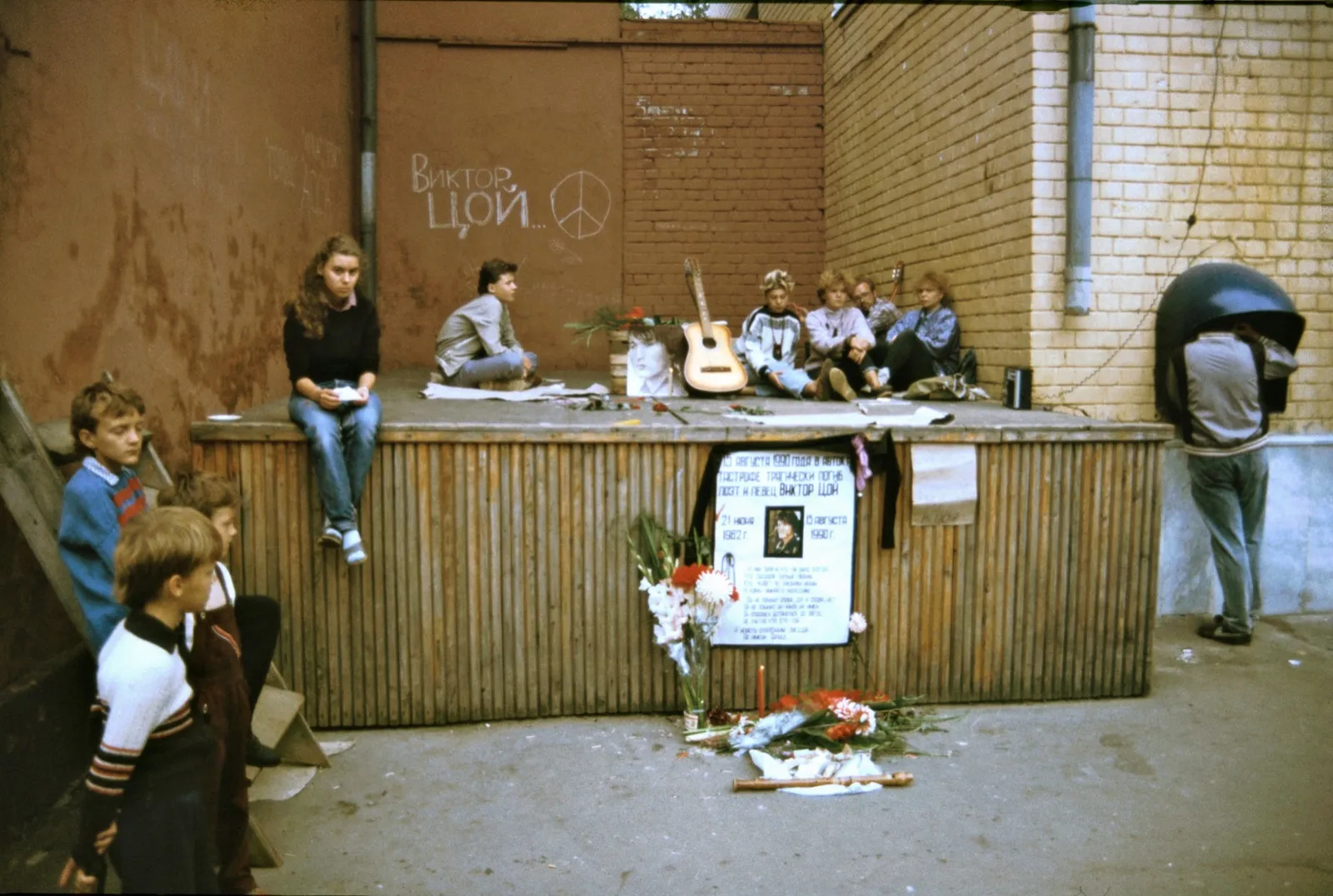
The Tsoi Wall / Стена Цоя
ЦОЙЖИВ - TSOI IS ALIVE