
About Kino
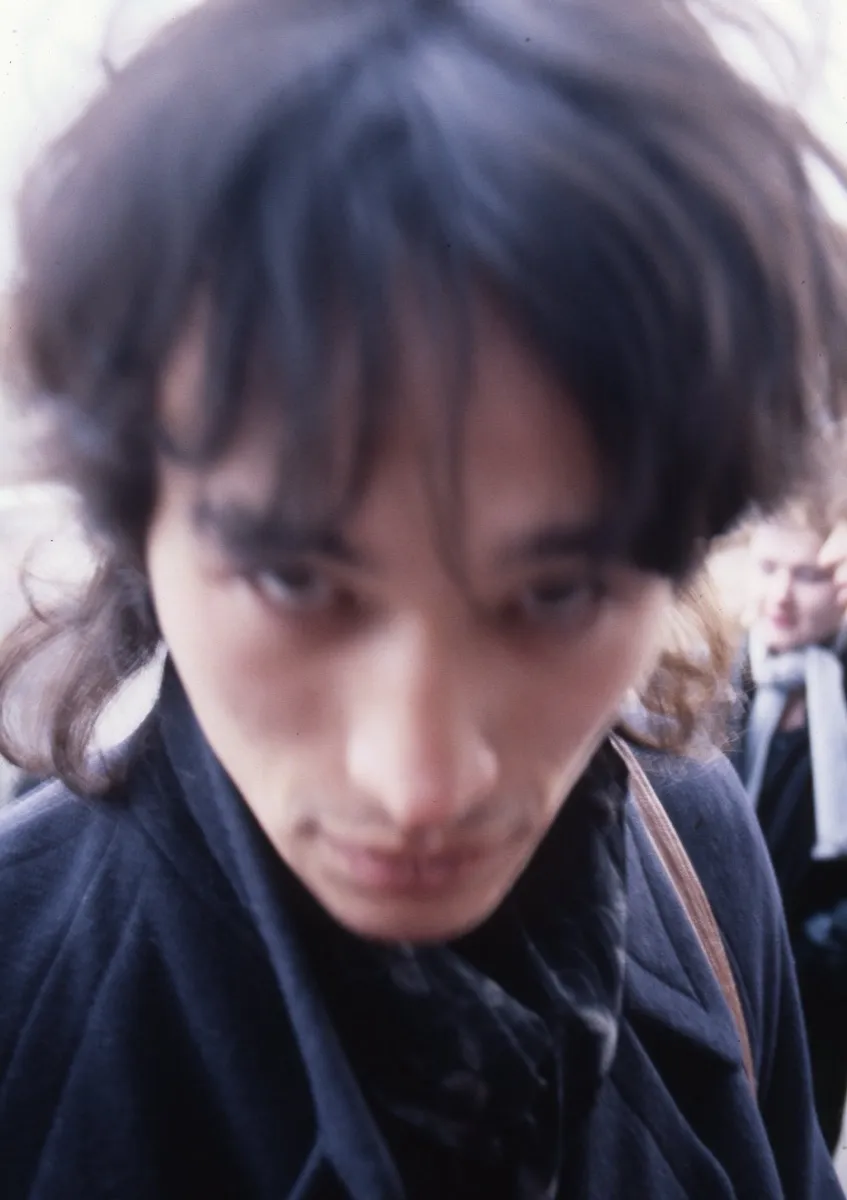
Kino (Кино) was a Soviet rock band founded in Leningrad in 1981, led by singer-songwriter Viktor Tsoi. They became the most influential rock band in Soviet history.
Members
The Classic Lineup (1986-1990)
Виктор Цой
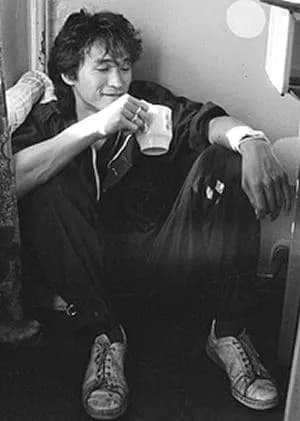
Viktor Tsoi
Vocals, rhythm guitar, songwriterFounding member
Kino's singer-songwriter and public face. His writing mixed intimate poetry with social tension, and he became an icon of late-Soviet youth culture.
Юрий Каспарян
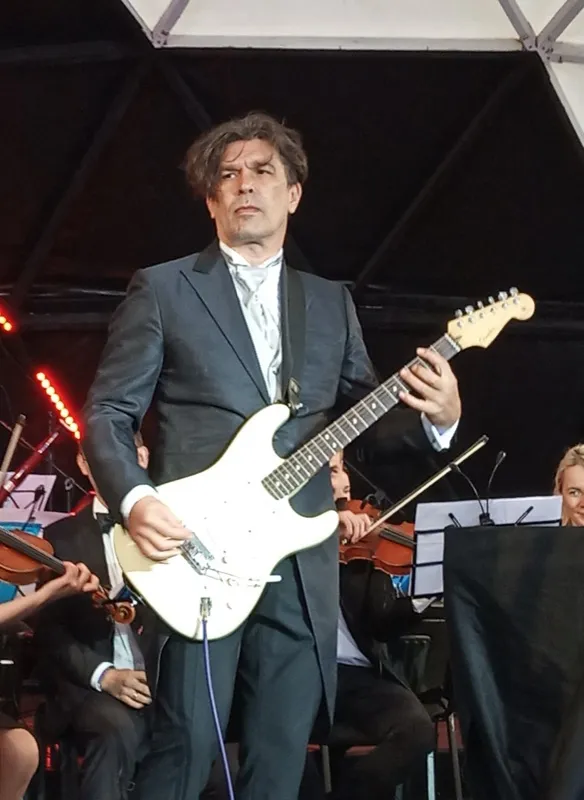
Yuri Kasparyan
Lead guitar
His atmospheric guitar changed Kino after 1983, pushing the band from acoustic songs toward the shimmering post-punk sound people now associate with its peak years.
Георгий Гурьянов
Georgy Guryanov
Drums
A visual artist and drummer whose precise, driving rhythm gave the band much of its late-1980s momentum.
Игорь Тихомиров
Igor Tikhomirov
Bass guitar
He joined in 1986 and anchored the classic lineup with melodic bass lines that gave the later records extra weight and movement.
Earlier Members
Алексей Рыбин
Alexei Rybin
Lead guitarFounding member
Co-founder and early lead guitarist. His departure closed Kino's first folk-rock phase and opened the way for a more textured sound.
Олег Валинский
Oleg Valinsky
DrumsFounding member
Original drummer during the band's first year. He left early, but he was there at the very beginning of Kino's story.
Band Timeline
Band formation
Tsoi, Rybin, and Valinsky form Kino in Leningrad and start playing apartment concerts.
Debut album "45" recorded
The band records 45 with primitive home equipment, and the tapes circulate through magnitizdat.
Kino joins the Leningrad Rock Club
Membership gives the band rehearsal space and a semi-official place inside the Soviet rock scene.
Kasparyan joins, Rybin departs
Yuri Kasparyan replaces Alexei Rybin and helps redirect Kino toward atmospheric post-punk.
Nachalnik Kamchatki released
The second album arrives with a more electric sound, and Guryanov locks in the rhythm section.
Eto ne lyubov released
The band sharpens its guitar textures and starts sounding like a major artistic force, not just an underground curiosity.
Gorbachev comes to power
Glasnost and perestroika begin to loosen cultural controls and create more space for rock music.
Noch released, Tikhomirov joins
Noch appears and Igor Tikhomirov completes the classic four-piece lineup.
Featured in Assa
Assa exposes Kino to a mass audience and becomes one of the signature films of perestroika culture.
Igla filmed
Tsoi stars in The Needle and becomes a cultural icon beyond music.
Gruppa Krovi breaks nationwide
Blood Type pushes Kino into the Soviet mainstream and turns the title song into a generational anthem.
Historic Luzhniki concert
Kino plays to tens of thousands in Moscow, showing how far Soviet rock has moved from the underground.
Zvezda po imeni Solntse released
The album becomes one of Kino's defining statements, pairing spacious arrangements with philosophical lyrics.
The Berlin Wall falls
As Eastern Europe changes, Tsoi's songs of freedom and transformation resonate even more widely.
Black Album sessions begin
Kino starts recording what will become its final album at Mosfilm Studios.
Final Moscow concerts
The band plays its last shows at Luzhniki without anyone knowing they are the last.
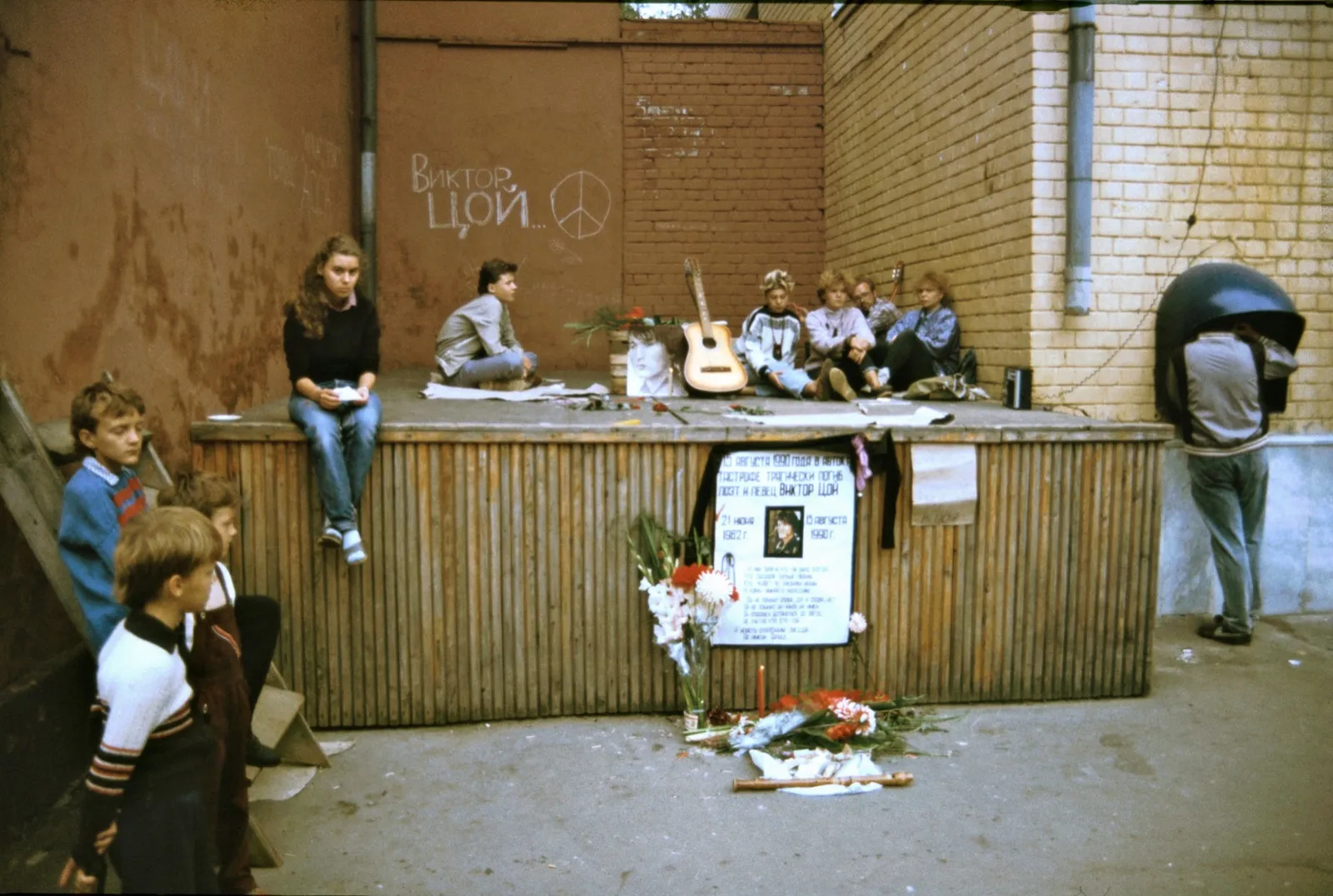
Viktor Tsoi dies
On August 15, 1990, Tsoi dies near Tukums, Latvia, at just 28 years old.
Black Album released posthumously
The remaining members finish and release the Black Album, turning it into a monument to Tsoi's artistry.
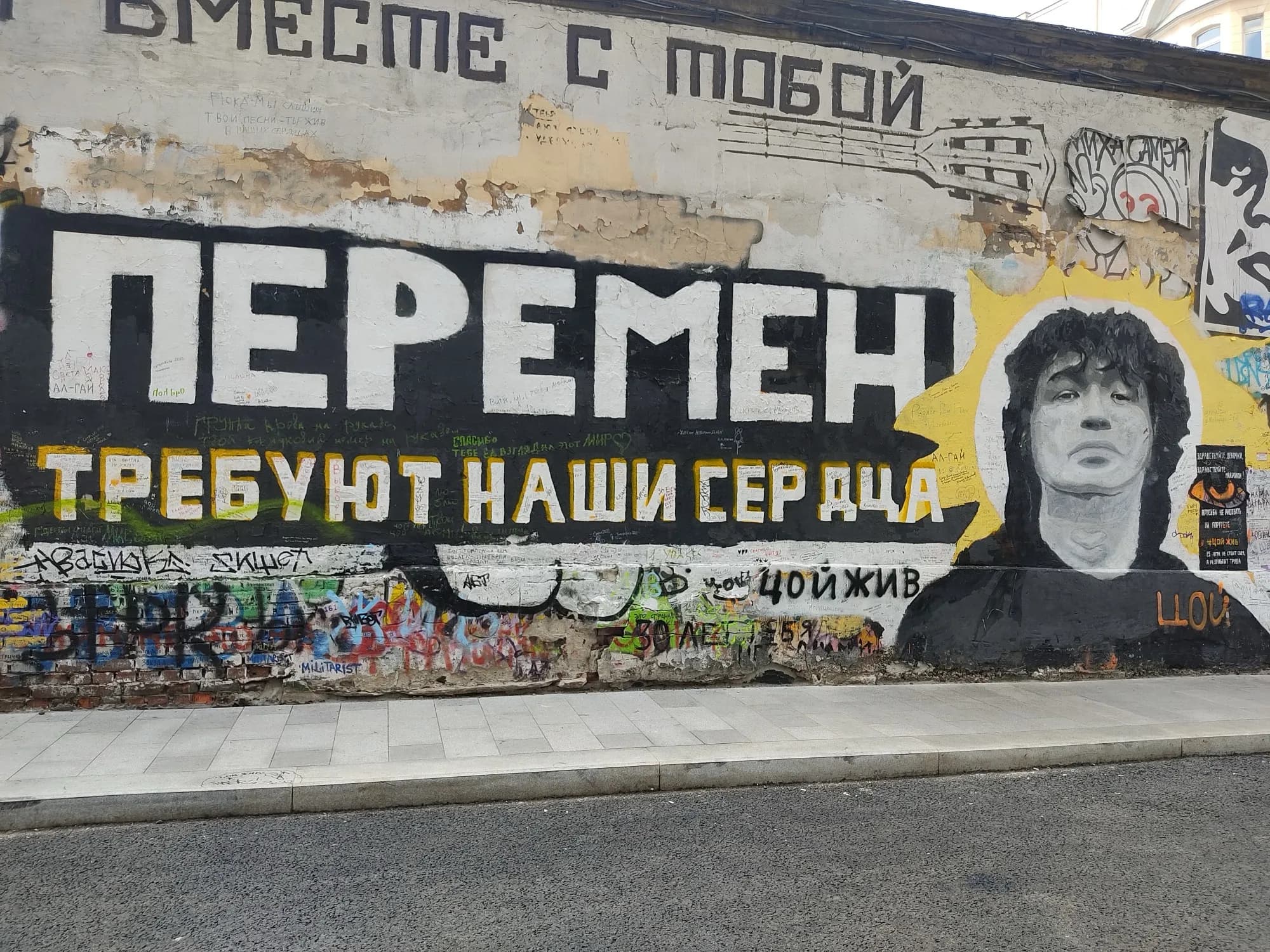
The Tsoi Wall / Стена Цоя
After Viktor Tsoi died on August 15, 1990, fans began writing messages on a wall in Moscow's Arbat district. The first line, "Tsoi is alive," became the symbol of his afterlife in public memory.
For decades the wall has filled with lyrics, portraits, and confessions from fans across the former Soviet world. It remains one of Moscow's most recognisable unofficial memorials.
Each attempt to erase it has only been temporary. Fans repaint it again and again, keeping Tsoi's voice visible in the city he never stopped haunting.
ЦОЙ ЖИВ - TSOI IS ALIVE